

From a Routine Spay Appointment to the Discovery of Pyometra: Jojo’s Story


From a Routine Spay Appointment to the Discovery of Pyometra: Jojo’s Story 🐾
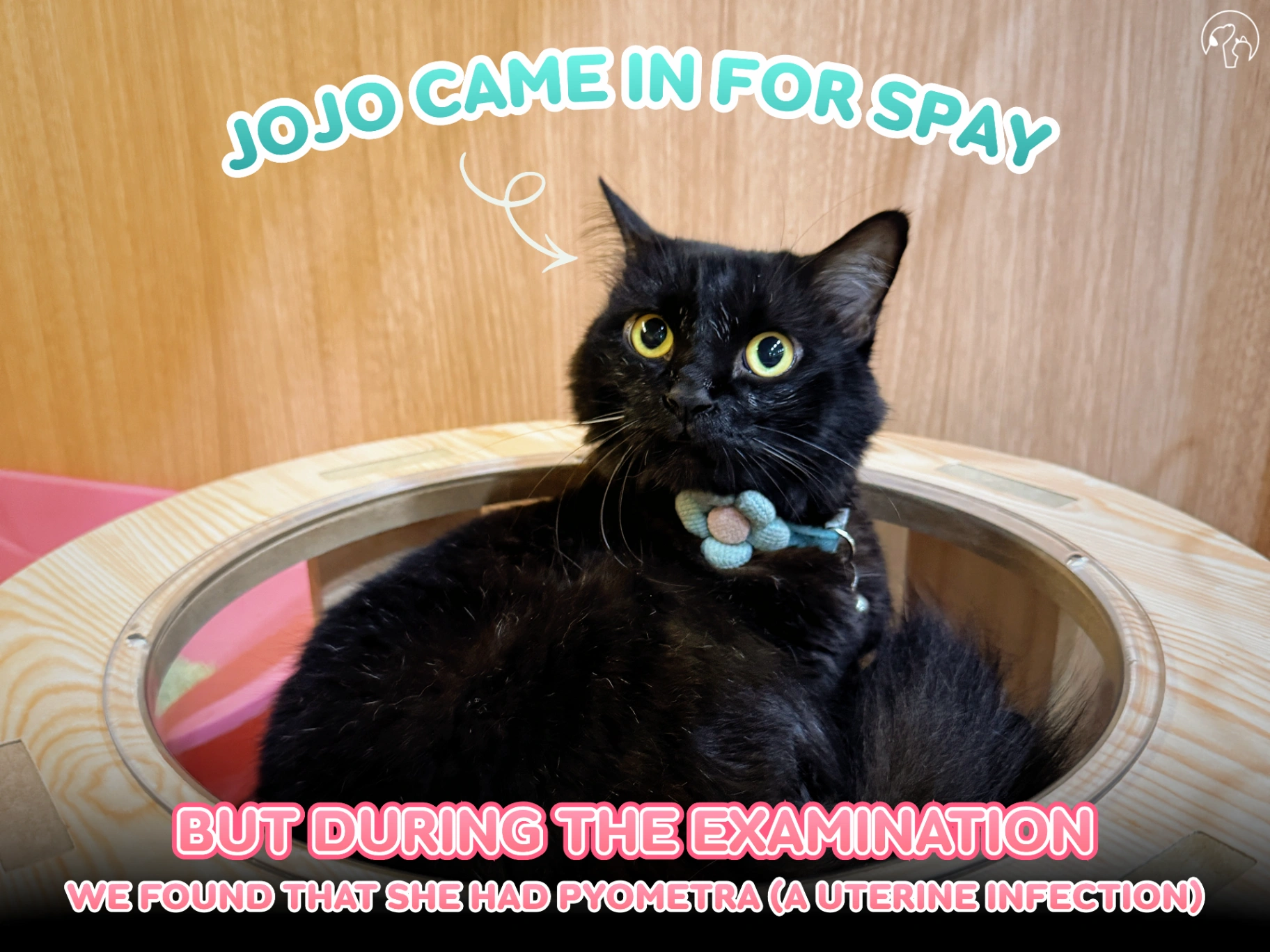
When a Pre-Surgical Checkup Reveals a Hidden Health Problem
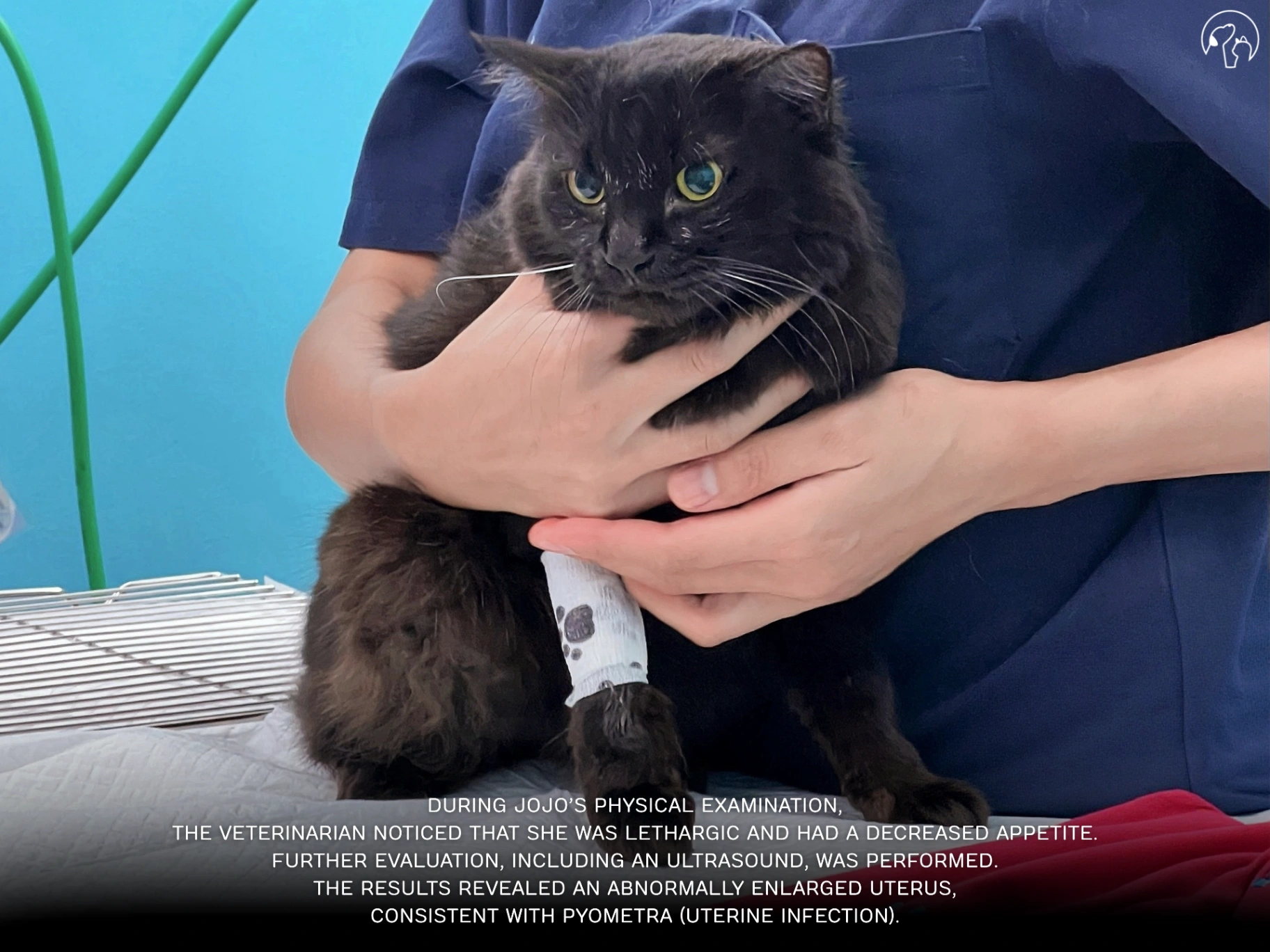
Jojo was originally brought to our hospital for a routine spay procedure. During the pre-operative examination, however, our veterinarian noticed that she appeared lethargic and had a reduced appetite.
Although these signs seemed mild, additional diagnostic testing and an abdominal ultrasound were recommended to investigate the cause.
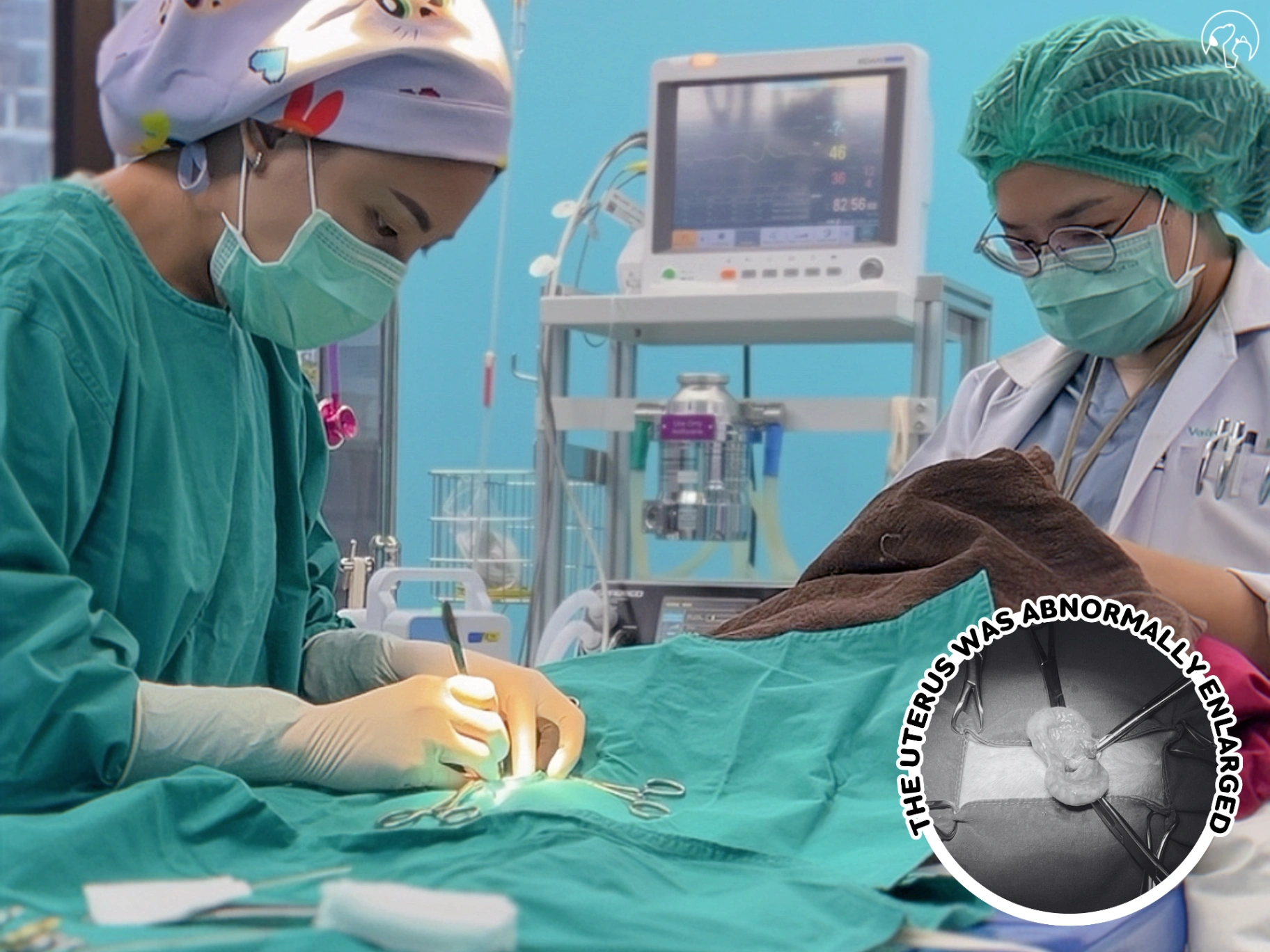
The ultrasound revealed that Jojo’s uterus was abnormally enlarged and consistent with a condition known as Pyometra, a serious uterine infection commonly seen in unspayed female cats.
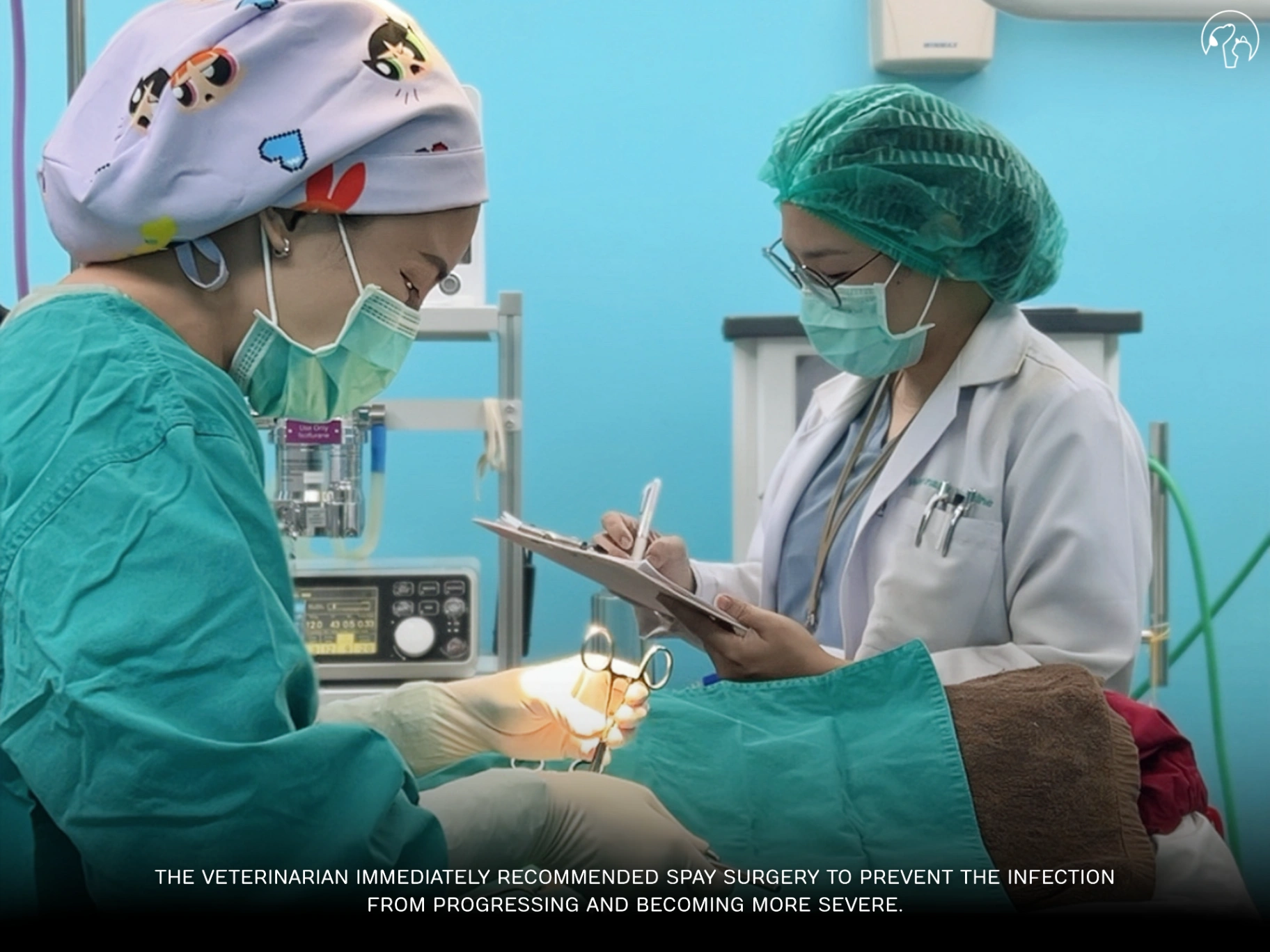
After a thorough evaluation, the veterinary team immediately adjusted the treatment plan and proceeded with surgery to remove the infected uterus and ovaries, preventing the condition from progressing into a life-threatening emergency.
What Is Pyometra?
Pyometra is a severe bacterial infection of the uterus that develops in unspayed female cats. Hormonal changes over time can make the uterus more susceptible to infection, allowing bacteria to grow and accumulate within it.
This condition is considered a veterinary emergency because it can lead to bloodstream infections, kidney complications, shock, and even death if left untreated.
Signs Owners Should Watch For
Early symptoms can be subtle and may resemble common illnesses, including:
• Lethargy or decreased activity
• Reduced appetite
• Increased water consumption
• Vomiting
• Abdominal enlargement
• Vaginal discharge or pus (in some cases)
Prompt veterinary evaluation is essential whenever these signs are observed.
Why Is Spaying Important?
Many owners postpone spaying because their pet appears healthy. However, delaying the procedure increases the risk of reproductive diseases over time.
Spaying helps prevent conditions such as:
• Pyometra
• Ovarian cysts
• Uterine and ovarian disorders
• Certain mammary tumors and cancers
In addition to disease prevention, spaying can reduce stress associated with heat cycles and contribute to a healthier, more comfortable life.
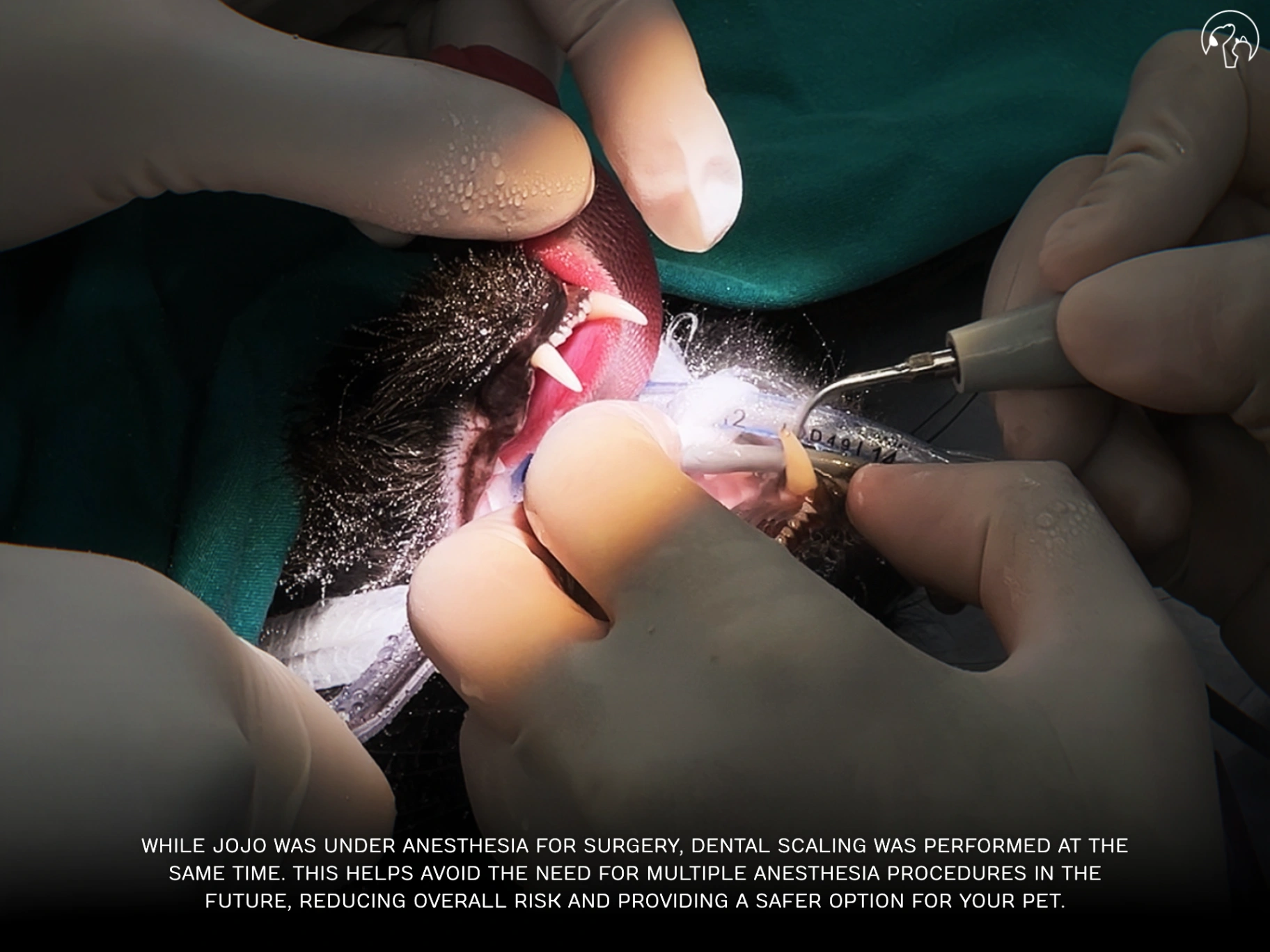
Combining Dental Care During Anesthesia
For pets already undergoing anesthesia for surgery, owners may also discuss professional dental scaling with their veterinarian.
Performing dental cleaning during the same anesthetic event can help reduce the need for multiple anesthesia procedures in the future, potentially minimizing overall risk and supporting better long-term health.
Each patient is individually assessed to determine whether combining procedures is appropriate and safe.
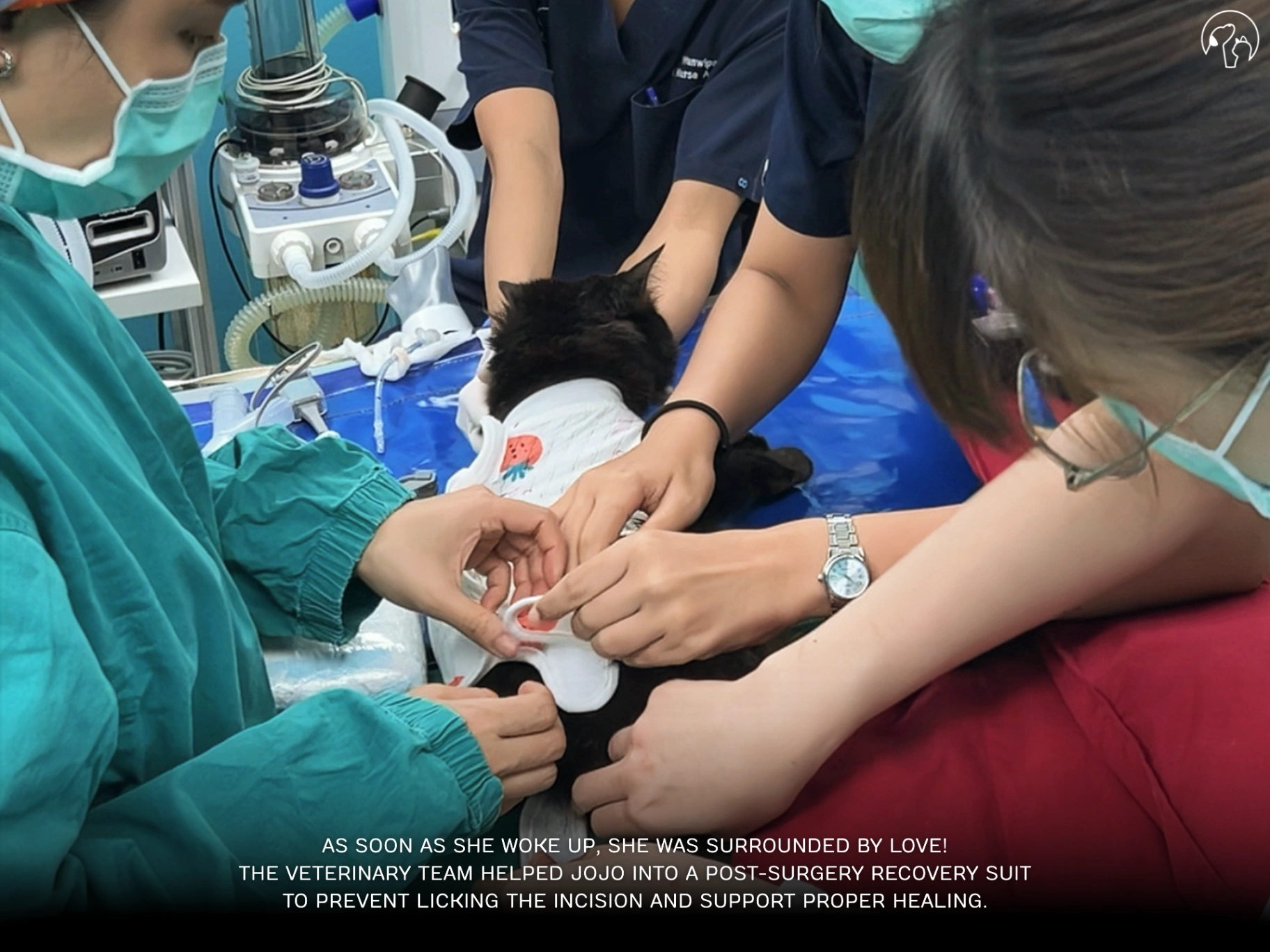
Prevention Is Always Better Than Treatment
Jojo’s case highlights the importance of thorough health evaluations before surgery. What began as a routine spay appointment ultimately revealed a serious condition that required immediate attention.
Early detection and timely treatment made all the difference.
Spaying healthy pets before reproductive diseases develop is one of the most effective ways to protect their long-term health, improve quality of life, and prevent potentially life-threatening complications. 🤍🐾